Talking to Your Ex: Effective Communication Strategies

,
Talking to Your Ex: Effective Communication Strategies

Talking to Your Ex: Effective Communication Strategies

Okay, so you need to talk to your ex. Maybe it's about shared finances, co-parenting, or just needing some closure. Whatever the reason, talking to an ex can be… tricky. Let's be honest, it can be downright terrifying. But it doesn't have to be a complete disaster. With the right approach, you can navigate this conversation with a little more grace and a lot less drama. This guide will give you some practical strategies to make the process smoother.

Before You Even Think About Picking Up the Phone (or Typing That Text)

Before you launch into a conversation, take a deep breath and do some serious prep work. This isn't about strategizing to win an argument; it's about setting yourself up for a productive and (hopefully) respectful exchange.

Define Your Goals

What do you *actually* want to achieve from this conversation? Do you need to finalize a legal agreement? Are you hoping to clear the air? Do you just want to know how they're doing? Knowing your objective will help you stay focused and avoid getting sidetracked into emotional tangents.

Choose Your Method Wisely

Think about the nature of your conversation. A quick question about a shared bill? A text might suffice. A more complex discussion about custody arrangements? A phone call or video chat might be better. For really sensitive topics, a face-to-face meeting (in a neutral location) can sometimes be best, but only if you both feel comfortable with that. Avoid emailing for anything emotionally charged â€" it's too easy for things to get misinterpreted.

Plan What You'll Say (But Don't Script It!)

Jot down some key points you want to cover. This isn't about memorizing a script â€" that can feel unnatural and stiff. Instead, think of it as a helpful outline to keep you on track. Knowing what you want to discuss will prevent rambling and going off-topic.

Prepare for Their Reaction

Your ex might be angry, sad, defensive, or even indifferent. Anticipating potential reactions will help you manage your own emotions and respond calmly and rationally, even if they don't.

During the Conversation: Staying Calm and Composed

This is the moment of truth. Remember all that prep work? Now's the time to put it to use.

Start with a Neutral Tone

Avoid accusatory language or emotional outbursts right off the bat. A simple, "Hi [ex's name], I hope you're doing well," or something similar sets a more neutral tone than launching into a heated discussion immediately.

Use "I" Statements

Focus on expressing your feelings and needs without blaming your ex. Instead of saying, "You always do this," try, "I felt hurt when…" This approach helps prevent defensiveness and encourages a more collaborative conversation.

Listen Actively

Don't just wait for your turn to speak. Really listen to what your ex is saying. Try to understand their perspective, even if you don't agree with it. Active listening shows respect and can de-escalate tension.

Set Boundaries

This is crucial. If the conversation starts veering into territory you're uncomfortable with (e.g., rehashing old arguments, emotional manipulation), politely but firmly redirect the discussion back to the topic at hand. You might say something like, "I appreciate you sharing that, but I really wanted to focus on [the specific issue]."

Know When to End the Conversation

Some conversations need to be broken up into smaller chunks. If things are getting too heated or unproductive, it's okay to suggest taking a break and continuing later. It's better to end on a relatively calm note than to let things escalate into a full-blown argument.

After the Conversation: Reflection and Follow-Up

The conversation is over, but the process isn't quite finished. Taking time for reflection and potential follow-up is essential.

Process Your Feelings

Give yourself time to process how the conversation made you feel. Talking to an ex can be emotionally draining, so allow yourself to feel whatever emotions come up â€" whether it's relief, frustration, or something else entirely.

Document Important Details

If the conversation involved agreements about finances, child custody, or other important matters, make sure you document everything. This can be crucial if you need to refer back to it later.

Decide on Next Steps

Did you reach a resolution? Do you need to schedule another conversation? Do you need to involve a mediator or lawyer? Clearly define the next steps based on the outcome of your conversation.

Consider Professional Help

If you're struggling to communicate effectively with your ex, or if the conversations are consistently causing you significant stress, consider seeking professional help. A therapist or counselor can provide guidance and support in navigating these challenging interactions.

Commonly Asked Questions

Here are some frequently asked questions about talking to your ex:

  • Q: What if my ex refuses to communicate? A: This is unfortunately common. You might need to explore alternative communication methods (through a lawyer, mediator, or other trusted third party) to achieve your goal.
  • Q: What if my ex becomes abusive or aggressive? A: Your safety is paramount. End the conversation immediately and do not engage further. Consider seeking support from friends, family, or the authorities.
  • Q: How do I deal with manipulative tactics? A: Set clear boundaries and refuse to engage in manipulative conversations. Stick to the facts and avoid getting drawn into emotional arguments.
  • Q: Should I apologize even if I don't feel I did anything wrong? A: A sincere apology can sometimes de-escalate tension, even if it's not a full admission of guilt. However, don't apologize for something you didn't do just to appease them.
  • Q: How long should I wait before contacting my ex? A: There's no magic number. The best time to contact your ex depends entirely on the reason for contacting them and your relationship history. Allow sufficient time to calm down and plan your communication strategy.
  • Q: What if I still have strong feelings for my ex? A: Acknowledge your feelings, but try to separate your emotions from the purpose of the conversation. Focus on the specific issue you need to address and try to maintain a professional tone.

Remember, talking to your ex is rarely easy, but it's often necessary. By following these strategies, you can increase your chances of having a productive and less stressful conversation.

Read more →

The Role of Shared Interests in Relationship Satisfaction

,
The Role of Shared Interests in Relationship Satisfaction

The Unexpected Power of Shared Interests: Fueling Relationship Satisfaction

Relationships, the intricate tapestries woven from shared experiences and individual threads, often thrive on more than just love and commitment. While emotional intimacy forms the bedrock of any strong bond, the presence of shared interests acts as a powerful catalyst, enriching the relationship and significantly contributing to overall satisfaction. This isn't about finding a perfect mirror image; rather, it's about discovering those common threads that intertwine and create a richer, more vibrant connection. These shared passions provide opportunities for bonding, communication, and a shared sense of purpose, ultimately fostering deeper intimacy and a stronger foundation for enduring love.

The Foundation of Shared Activities

Shared interests provide a fertile ground for creating meaningful memories and fostering a sense of togetherness. Imagine a couple who both enjoy hiking; they aren't just sharing an activity; they're sharing breathtaking vistas, challenging themselves physically, and supporting each other through moments of triumph and struggle. This shared experience transcends the simple act of hiking, building a shared narrative and strengthening their bond. Similarly, couples who share a love of cooking might find themselves creating culinary masterpieces together, laughing in the kitchen, and savoring the fruits (or vegetables!) of their labor. These shared activities aren't merely pastime; they are powerful relationship builders, forging connections that extend beyond the immediate moment.

Beyond the Activity: The Importance of Shared Experience

The true power of shared interests lies not just in the activity itself, but in the shared experience it creates. It's about the conversations sparked during a challenging climb, the inside jokes born from a failed baking attempt, or the shared sense of accomplishment after completing a challenging puzzle together. These experiences create lasting memories and a unique shared history, strengthening the emotional bond between partners. These shared narratives, built through shared interests, become integral parts of the relationship's identity, solidifying the connection and fostering a sense of belonging.

Communication and Understanding: A Shared Language

Shared interests provide a natural pathway for enhanced communication and understanding. When partners share a passion, they develop a common language, a set of shared references and inside jokes that facilitate deeper conversation and effortless connection. This shared understanding extends beyond simple communication; it fosters empathy and allows partners to connect on a more profound level. For example, a couple who both enjoy gardening can easily discuss the challenges of a particular plant, offering support and understanding in a way that someone unfamiliar with gardening might not be able to. This shared vocabulary fosters a sense of intimacy and facilitates a deeper level of emotional connection.

Bridging the Gap: Shared Interests as Conflict Resolution Tools

Interestingly, shared interests can also act as a buffer against conflict. When disagreements arise, couples can often find common ground by returning to their shared passions. The collaborative nature of many shared interests provides an opportunity to work together towards a common goal, reminding them of their shared strengths and mutual support. For instance, even a seemingly minor task like assembling a piece of furniture together can serve as a positive interaction, fostering teamwork and reinforcing their partnership. This collaborative approach can help diffuse tension and remind them of the overall strength of their bond.

Cultivating Shared Interests: A Recipe for Relationship Success

While some shared interests might emerge organically, actively cultivating them can significantly benefit a relationship. This doesn't involve forcing compatibility; instead, it's about exploring new activities together, being open to trying new things, and supporting each other's individual passions. Consider these steps:

  • Explore together: Take turns suggesting new activities and be open to trying each other's interests.
  • Embrace vulnerability: Be willing to step outside your comfort zone and try something new, even if it feels awkward initially.
  • Celebrate successes (and failures): Focus on the shared experience, regardless of the outcome. Learning and growing together strengthens the bond.
  • Prioritize quality time: Schedule dedicated time for shared activities, making it a priority in your busy lives.

Ultimately, fostering shared interests isn't just about finding common ground; it's about enriching the tapestry of your relationship, strengthening your bond, and creating a foundation for lasting love and happiness.

Read more →

How to Spot the Signs That Your Ex Still Cares About You

,
How to Spot the Signs That Your Ex Still Cares About You

Decoding the Signals: Does Your Ex Still Care?

Heartbreak is a universal experience, but the aftermath can be intensely confusing. Did the relationship truly end, or is there a flicker of hope remaining? Figuring out if your ex still cares can be a delicate dance, requiring keen observation and a willingness to interpret subtle cues. While there's no foolproof method, paying attention to certain behaviors and interactions can provide valuable insights into their lingering feelings. Let's explore the key signs that might suggest your ex still harbors feelings for you.

The Persistent Contact Conundrum

One of the most obvious signs your ex still cares is persistent contact. This isn't necessarily about grand romantic gestures; it's about the small, seemingly insignificant interactions that hint at something deeper. Do they frequently "like" your social media posts, even seemingly random ones? Do they initiate conversations, even if they're about seemingly mundane topics? These seemingly casual interactions might signal a desire to stay connected and remain a part of your life. However, be wary: some exes maintain contact simply out of habit or a sense of obligation. The key is to look beyond the frequency of contact and analyze the *quality* of the interaction. Are they genuinely interested in what you have to say, actively listening and responding thoughtfully? Or are their messages brief and superficial?

Beyond the "Like": Analyzing Social Media Engagement

Social media provides a fertile ground for subtle communication. A simple "like" might seem insignificant, but a consistent pattern of engagement, especially on posts showing you happy or succeeding, can be telling. Do they comment on your posts, even if it's just a simple emoji? Do they frequently view your Instagram stories? These actions suggest they're actively monitoring your life and still invested in your well-being, even if they're hesitant to express it directly.

Actions Speak Louder Than Words: Observing Their Behavior

Beyond digital communication, look for signs in their real-world actions. Do they make an effort to see you, even casually? Do they find excuses to be near you, perhaps through mutual friends or coincidental encounters? This could indicate a subconscious desire to be in your presence. Consider the context of these interactions. Is it a genuine coincidence, or does it feel too convenient to be accidental? Pay attention to their body language when you're together. Do they make eye contact, linger longer than necessary in conversations, or touch you more than usual (appropriately, of course)? These nonverbal cues can often reveal more than words ever could.

The "Accidental" Encounters: Are They Really Accidental?

We've all experienced those seemingly random encounters that feel suspiciously planned. If your ex keeps showing up at places you frequent, it’s worth considering whether it’s truly accidental. While it could be coincidence, repeated "accidental" meetings might suggest they're seeking opportunities to connect with you.

Jealousy and Possessiveness: A Double-Edged Sword

A clear indicator of lingering feelings can be jealousy or possessiveness. Do they react negatively or suspiciously when you mention dating someone new? Do they try to subtly undermine your new relationships or friendships? While this behavior is often unhealthy and should be approached with caution, it can signal a lingering possessiveness rooted in unresolved feelings. It's crucial to remember that jealousy isn't a sign of healthy affection; it's a red flag that requires careful consideration.

The Bottom Line: Proceed with Caution

Spotting signs that your ex still cares is a complex process, and it's crucial to avoid misinterpreting friendly gestures as romantic interest. Don't jump to conclusions based on limited evidence. Analyze the totality of their behavior, considering the context and their past actions. If you're unsure, it's best to have an open and honest conversation with your ex to clarify your feelings and intentions. Remember, prioritizing your own well-being and emotional health is paramount, regardless of your ex's feelings.

Read more →

The Indicators Your Ex Has Fully Moved On

,
The Indicators Your Ex Has Fully Moved On

The Indicators Your Ex Has Fully Moved On

Heartbreak is a universal experience, but navigating its aftermath can feel uniquely isolating. One of the most challenging aspects is determining when your ex has truly moved on. While you might yearn for closure, clinging to hope can hinder your own healing process. Understanding the subtle â€" and sometimes not-so-subtle â€" signs that your ex has emotionally detached and embraced a new chapter can be incredibly empowering. This article explores key indicators that suggest your ex has fully moved on, allowing you to focus on your own journey to recovery and happiness.

Behavioral Shifts: Actions Speak Louder Than Words

Observe your ex's behavior, both directly and indirectly. Direct observation might involve conversations (or lack thereof), while indirect observation could involve social media activity or information gathered from mutual friends. A significant change in behavior often signals a significant shift in their emotional state. The absence of lingering contact isn't just about avoiding awkwardness; it represents a conscious choice to create emotional distance.

Elimination of Contact

Complete cessation of contact is a strong indicator. This isn't simply infrequent communication; it's a deliberate absence of texts, calls, emails, or even accidental encounters. If your ex actively avoids any form of interaction, it suggests they've consciously removed you from their daily life. This isn't necessarily malicious; it simply reflects a need for space and emotional detachment to heal and move forward.

New Relationships and Social Activities

Seeing your ex genuinely happy and engaged in a new relationship, or thriving in new social circles, can be difficult but ultimately signifies their emotional progress. This doesn't mean you should compare yourself or dwell on their new connections. Instead, focus on recognizing that they've built a support system that doesn't include you, signifying a complete emotional shift. Note the difference between a rebound relationship (often short-lived and emotionally driven) and a genuine, healthy partnership. A sustained, positive relationship likely points to genuine emotional growth.

Emotional Detachment: Subtle Signs of Closure

Behavioral changes often accompany a significant emotional shift. Look for indications that your ex is no longer emotionally invested in the past relationship or dwelling on the issues that led to the breakup. This emotional detachment manifests in various ways, offering a more nuanced understanding of their progress.

Lack of Emotional Reactivity

If you encounter your ex, observe their emotional response. Do they react defensively, with anger, or sadness? Or do they remain calm, neutral, and even friendly? A lack of emotional reactivity, even in challenging situations, suggests they've processed their feelings and are no longer emotionally bound to the past. This emotional maturity is a key indicator of moving on.

Positive Self-Perception and Future Focus

A person who has moved on typically displays a healthy sense of self and a positive outlook on the future. They actively engage in self-care, pursue personal goals, and generally exhibit optimism. Their conversations center on their future plans and aspirations, rather than dwelling on past regrets or the relationship's demise. This forward-looking perspective strongly suggests that they have emotionally detached from the past relationship.

Social Media and Public Displays: A Digital Reflection

While social media shouldn't be the sole determinant, it can provide valuable insights into your ex's emotional state. Pay attention to their posts, pictures, and interactions â€" but remember to approach this with caution and avoid obsessive monitoring. A healthy approach is a passive observation rather than an active investigation.

Removal of Shared Memories

The removal of shared photos or memories from social media platforms is often interpreted as a desire to distance themselves from the past. While not always a definitive sign, it does suggest an attempt to emotionally detach from that period of their life. This is a significant step in letting go.

Positive and Engaging Content

If your ex's social media presence showcases a happy, active life filled with positive content, it might reflect their emotional well-being and ability to move forward. This doesn't mean they're trying to rub it in your face; it's simply an indication of their personal growth and happiness.

Ultimately, recognizing the signs that your ex has moved on is a crucial step in your own healing process. Remember to focus on your well-being, and don't let the past dictate your future happiness.

Read more →

The Ultimate Guide to Getting Back With Your Ex

,
The Ultimate Guide to Getting Back With Your Ex

The Ultimate Guide to Getting Back With Your Ex

Rekindling a flame with an ex is a complex journey fraught with both hope and heartbreak. This isn't about manipulating someone into a relationship; it's about honest self-reflection and a genuine desire to rebuild a connection, if it's truly meant to be. This guide offers a realistic and responsible approach, focusing on personal growth and respectful communication. Remember, there's no guarantee of success, but by following these steps, you increase your chances of a healthy reconciliation â€" or at least achieving closure.

Understanding the Breakup: A Crucial First Step

Before you even consider reaching out, honestly analyze why the relationship ended. Avoid assigning blame; instead, identify your contributions to the issues. Did communication breakdown? Were there unresolved conflicts? Did you neglect your partner's needs? Understanding your role in the demise is critical for personal growth and building a stronger, healthier future, whether with your ex or someone else. This self-reflection prevents repeating past mistakes. Journaling can be incredibly helpful in this process; write down your thoughts and feelings without judgment.

Identifying Your Role

Create a list of the issues that contributed to the breakup. Be brutally honest with yourself. Did you prioritize your career over the relationship? Did you struggle with jealousy or insecurity? Facing these challenges head-on is essential for growth. For example, if you were consistently unavailable emotionally, commit to working on those emotional vulnerabilities before reaching out.

Give Them (and Yourself) Space

After a breakup, both parties need time and space to process their emotions. Resist the urge to bombard your ex with messages or calls. This will only push them further away. Use this time for self-improvement and reflection. Focus on your hobbies, reconnect with friends and family, and engage in activities that bring you joy. This demonstrates personal growth and maturity â€" qualities that are attractive in any relationship.

The Importance of No Contact

No contact isn't about playing games; it's about allowing both of you to heal and gain perspective. The duration varies depending on the relationship's length and the severity of the breakup, but generally, aim for at least a month or two. This period allows emotions to settle and reduces the risk of impulsive actions driven by hurt or desperation.

Rebuilding the Connection: Reaching Out Respectfully

After the no-contact period, reaching out requires sensitivity and respect. Don't expect immediate reconciliation. Your goal is to initiate a friendly conversation, not to demand a reunion. Start with a casual, non-demanding text or email. Perhaps mention something you both enjoyed doing together or ask about their well-being. Gauge their response before escalating the conversation. If they are receptive, consider a brief, friendly phone call.

The First Conversation

Keep the conversation light and positive. Avoid bringing up past arguments or dwelling on the reasons for the breakup. Focus on shared interests and positive memories, demonstrating that you value their friendship. This creates a foundation for future interactions and allows you to gauge their feelings without overwhelming them.

Demonstrating Growth and Change

Show your ex that you've learned from your mistakes and have actively worked on personal growth. If you identified communication issues, demonstrate better listening skills and empathy. If you were emotionally unavailable, show that you're now better equipped to handle your emotions and nurture a relationship. Actions speak louder than words; let your changes be evident in your behavior.

Show, Don’t Tell

Rather than simply stating that you’ve changed, demonstrate it through your actions. For example, if you were previously unreliable, consistently follow through on your commitments. If you were controlling, show respect for their autonomy and independence. Consistent positive actions build trust and demonstrate genuine commitment to growth.

The Decision: Moving Forward

Ultimately, the decision to get back together rests with both of you. If your ex is receptive and you both feel ready to address the past issues and build a healthier relationship, then moving forward can be a positive step. However, if they're hesitant or unwilling to reconcile, respect their decision. It’s important to accept that sometimes, moving on is the healthiest option. Remember that getting back together doesn’t automatically guarantee a happily ever after, and consistent effort and communication is crucial to the success of any relationship. Sometimes, a fresh start is all you need.

Read more →

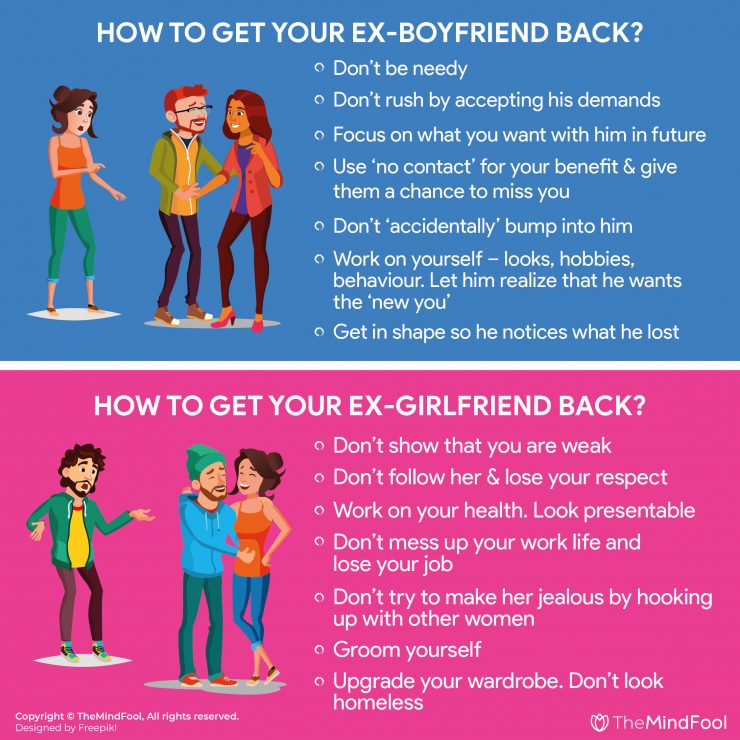
5 Steps to Take to Get Your Guy Back

,
5 Steps to Take to Get Your Guy Back

5 Steps to Reclaim Your Relationship

Heartbreak hits hard. The silence where laughter once echoed, the emptiness where his presence used to be â€" it’s a painful reality. But before you succumb to despair, know this: rekindling a lost connection isn't impossible. While there are no guarantees, taking proactive steps can significantly increase your chances of getting your guy back. This isn't about manipulation; it's about genuine self-reflection and a strategic approach to rebuilding trust and understanding. Let's explore five crucial steps to help you navigate this challenging terrain.

1. Embrace the Necessary Space and Reflect

Resist the urge to bombard him with calls, texts, or social media messages. Give him â€" and yourself â€" the space you both need. This isn't about ignoring him indefinitely; it's about creating a period of calm to allow emotions to settle. Use this time for honest introspection. Analyze the relationship's breakdown. What were the contributing factors? What were your roles? Were there unresolved conflicts? Identifying your own mistakes and taking ownership of them is crucial. Write in a journal, talk to a trusted friend, or even seek professional guidance to gain clarity. Understanding your part in the breakup empowers you to make positive changes and approach the situation with a more mature perspective. This self-reflection is the foundation for a successful reconciliation attempt.

2. Prioritize Self-Improvement and Personal Growth

This is not about becoming someone you're not to please him; it's about becoming the best version of yourself. This period of separation offers a golden opportunity for personal growth. Engage in activities that bring you joy and fulfillment. Rediscover your passions â€" whether it's painting, hiking, learning a new language, or reconnecting with old friends. Focus on enhancing your physical and mental well-being. Exercise regularly, eat healthy, and prioritize mindfulness practices like meditation or yoga. This self-care journey will boost your confidence and self-esteem, making you a more attractive and independent individual â€" qualities that are magnetic, regardless of the relationship's outcome.

3. Re-establish Contact Strategically

After a period of space (a few weeks, at least), initiate contact subtly and casually. Don't launch into a heartfelt confession or demand answers. A simple, friendly text message inquiring about his day or commenting on something you know he's interested in can be a good starting point. Keep the conversation light and positive. The goal isn't to immediately discuss the breakup but to re-establish a friendly connection. Listen actively when he responds. Show genuine interest in his life. This phase is about rebuilding trust and demonstrating that you respect his boundaries and space.

4. Communicate Openly and Honestly

Once you’ve re-established contact and feel a comfortable flow of communication, you can begin addressing the elephant in the room â€" the breakup. Choose a private setting where you can both talk openly and honestly. Avoid accusations or blame. Focus on expressing your feelings and acknowledging your past mistakes. Listen empathetically to his perspective, even if it’s difficult to hear. The goal is to foster mutual understanding and create a safe space for vulnerability. Be prepared for the possibility that he may not be ready to reconcile, and respect his decision if that's the case.

5. Show, Don't Just Tell

Words are powerful, but actions speak louder. Demonstrate the changes you've made and the lessons you've learned. Show him through your actions that you're a better, stronger, and more mature person than you were when the relationship ended. This might involve consistently following through on commitments, demonstrating greater empathy and understanding, or actively working on the issues that contributed to the breakup. Consistency is key. Sustained positive behavior over time will be far more convincing than any verbal promises. This sustained effort shows that your desire for reconciliation is genuine and that you’re committed to building a healthier relationship.

Remember, the path to reconciliation isn't always straightforward. There’s a possibility he might not want to rekindle the relationship, and you must respect that. However, by following these steps, you’ll maximize your chances of a successful reunion, while also gaining valuable self-awareness and personal growth along the way.

Read more →

Winning Her Back: A Step-by-Step Plan

,
Winning Her Back: A Step-by-Step Plan

Winning Her Back: A Step-by-Step Plan

Okay, so things ended with your ex, and you want her back. That’s a tough spot to be in, but hey, it’s not impossible. This isn't some magic spell or a guaranteed win, but a realistic, step-by-step plan to increase your chances. Remember, there's no foolproof method, and her feelings might not be changeable, but this plan will help you navigate the situation with grace and respect.

Step 1: Reflection and Self-Improvement

Before you even think about contacting her, you need some serious introspection. Why did the relationship end? Were there recurring issues? What role did you play? Don't just blame her â€" take ownership of your actions and shortcomings. This isn't about beating yourself up; it's about honest self-assessment.

Identifying Your Mistakes

Make a list. Seriously. Write down everything you think you did wrong. Were you inconsiderate? Did you neglect her needs? Did you have communication problems? Be brutally honest with yourself. This is crucial for growth and for showing her you've changed.

Focusing on Personal Growth

Now that you've identified your flaws, it's time to work on them. If you were neglectful, actively show her you're making an effort to be more present and caring in your life â€" not just hers. If communication was an issue, work on becoming a better listener and communicator. Maybe you need to pick up a new hobby, hit the gym, or even seek therapy â€" whatever helps you become a better version of yourself.

Step 2: No Contact (Seriously!)

This is the hardest part, but arguably the most important. No contact means no calls, no texts, no emails, no social media stalking (yes, that includes lurking on her profile!). Give her space to miss you and to process the breakup. This period of silence allows you to work on yourself and prevents you from making impulsive decisions you might regret.

How Long Should You Go No Contact?

There's no magic number, but generally, a minimum of 30 days is recommended. The length of time depends on the severity of the breakup and the length of your relationship. The goal is not to make her miss you, but to give both of you time to heal and reflect.

Dealing with the Urge to Contact Her

This is tough. You'll probably have moments of weakness. When the urge hits, distract yourself! Call a friend, go for a run, read a book, anything to take your mind off it. Remember why you're doing this â€" it's for your own well-being and to increase your chances of a successful reconciliation (if that's even possible).

Step 3: Re-establishing Contact (Cautiously)

After the no-contact period, reach out. But do it subtly and casually. Don't launch into a grand declaration of love. A simple, friendly text or a casual "Hey, how are you?" is sufficient. Gauge her response. Is she receptive? If she's cold or distant, respect her space and back off.

The First Conversation

Keep the conversation light and friendly. Focus on her, ask about her life, listen to what she has to say. Don't bring up the breakup or your feelings right away. The goal is to rebuild a connection, not to rehash old wounds. If the conversation flows well, maybe suggest grabbing coffee or doing something casual together, but only if she seems comfortable.

Step 4: Showing, Not Telling

Actions speak louder than words. Don't just tell her you've changed; show her. Be consistent with your actions, be reliable, be present, and be kind. This takes time and effort, but it’s what will ultimately convince her that you've truly grown.

Consistency is Key

Don't just change your behavior for a week and then revert back to your old ways. Make these positive changes a permanent part of your life. This demonstrates genuine commitment to self-improvement and respect for her.

Step 5: Respect Her Decision

Ultimately, the decision rests with her. She might not want to get back together, and that’s okay. Respect her choice, even if it hurts. This doesn’t mean your efforts were wasted; you’ve grown and improved yourself. Remember the self-improvement you did? That’s a win, regardless of her decision.

Moving On

If she decides not to reconcile, accept it with grace. Focus on your own happiness and well-being. The work you've done on yourself will benefit you regardless of the outcome of this situation.

Commonly Asked Questions

Q: How long should I wait before contacting her again after the no-contact period?

A: There’s no set time. Observe her social media (without engaging!) to get a sense of her mood and activities. If it's been a while, a brief, friendly message is fine. Adjust your approach based on her response.

Q: What if she doesn't respond to my initial contact attempt?

A: Give it some time. If there's no response after a few days, don’t push it. Respect her space and consider whether she's ready to connect again. She might be busy or still processing things.

Q: What if she's dating someone else?

A: This is a tough one. Respect her relationship. If you genuinely want what's best for her, you'll honor her choices, even if it means walking away.

Q: Is this plan guaranteed to work?

A: No, there are no guarantees in relationships. This plan increases your chances by focusing on personal growth, respectful communication, and respecting her decisions. The outcome depends on several factors, including her feelings and willingness to reconcile.

Q: What if I feel like I'm failing?

A: Remember that self-improvement is a journey, not a destination. There will be setbacks. Be kind to yourself, celebrate small victories, and keep moving forward. Your worth isn’t determined by whether or not you get back together with your ex.

Read more →