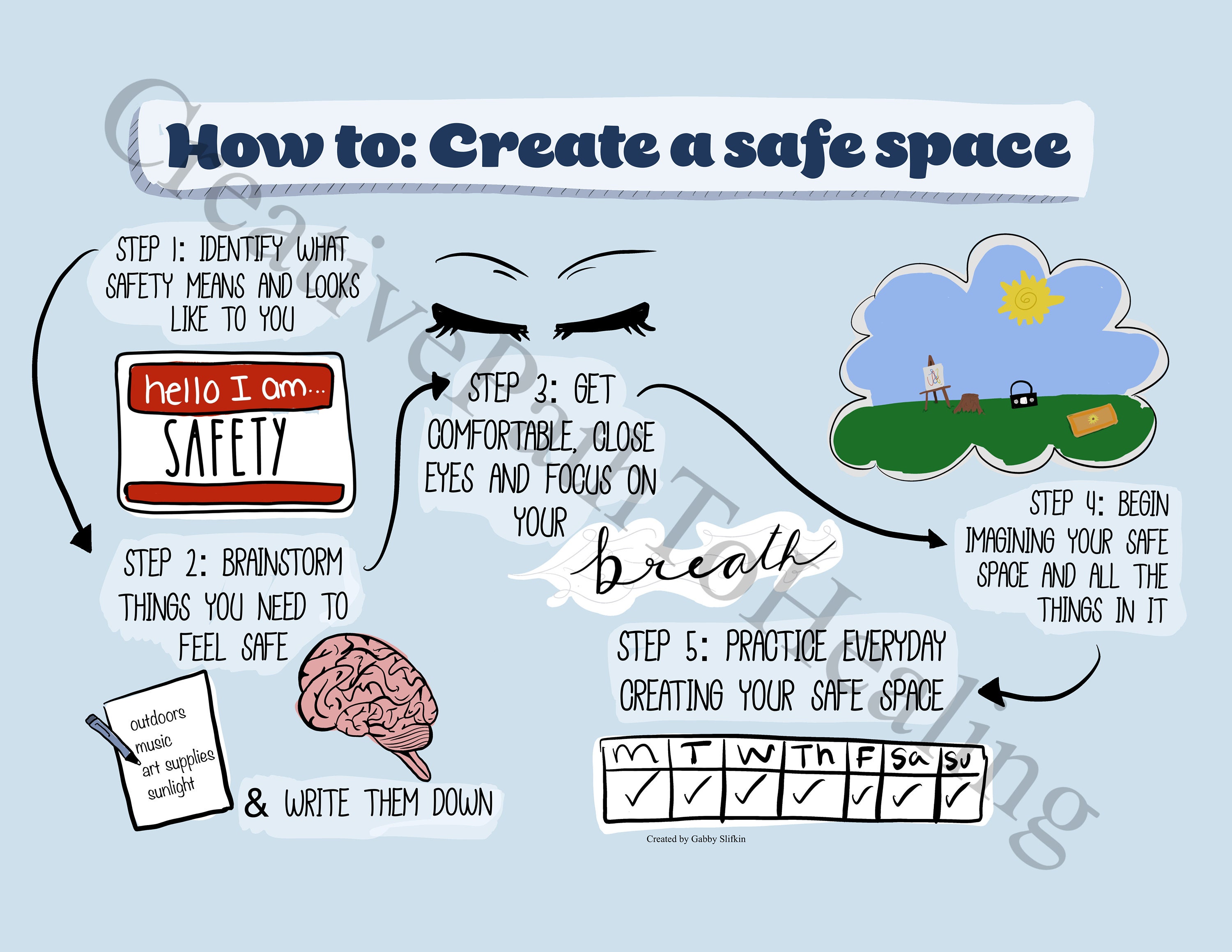
Cultivating a Haven for Honest Dialogue: Building a Safe Space for Open Communication
In today's complex world, fostering environments where open and honest communication thrives is paramount. Whether in the workplace, the classroom, or within families, the ability to express thoughts and feelings without fear of judgment or retribution is crucial for growth, innovation, and healthy relationships. Building such a “safe space†requires conscious effort and a deep understanding of the underlying principles that enable vulnerability and trust. This article explores the key elements necessary to create a truly welcoming environment for open communication.
Establishing Ground Rules: The Foundation of Trust
The cornerstone of any safe space lies in clearly defined and collaboratively agreed-upon ground rules. These rules aren't arbitrary dictates; they are a shared contract that fosters mutual respect and understanding. Instead of imposing a rigid set of regulations, engage everyone involved in a discussion about what constitutes respectful communication. This participatory approach ensures buy-in and promotes a sense of ownership. Consider including guidelines such as: listening attentively without interrupting, actively seeking clarification, refraining from personal attacks, acknowledging differing perspectives, and committing to confidentiality when appropriate. These basic principles provide a framework for respectful dialogue, transforming potential conflict into constructive conversation.
Fostering Psychological Safety: Embracing Vulnerability
Beyond established rules, a truly safe space nurtures psychological safety. This means creating an environment where individuals feel comfortable taking risks, expressing dissenting opinions, and admitting mistakes without fear of negative consequences. This requires leaders and facilitators to model vulnerability themselves, openly sharing their own experiences and imperfections. By demonstrating this openness, they encourage others to do the same, creating a ripple effect of trust and authenticity. Leaders should actively listen to concerns, validate feelings, and demonstrate empathy, fostering an environment where individuals feel understood and supported.
Active Listening: The Cornerstone of Understanding
Active listening is more than just hearing words; it involves fully engaging with the speaker's message, both verbally and nonverbally. It requires paying close attention to their tone, body language, and the emotions they convey. Practicing reflective listening, where you summarize and paraphrase the speaker's message to ensure comprehension, further solidifies this connection. By demonstrating genuine interest and empathy, you create a space where individuals feel heard and understood, thereby encouraging further open communication.
Non-Judgmental Feedback: Growth Through Constructive Criticism
Feedback is an integral part of growth, both personally and professionally. However, delivering criticism constructively is crucial. Instead of focusing on personal attacks, concentrate on specific behaviors and their impact. Frame feedback using the "I" statement format ("I felt… when… because…"), focusing on your own experience rather than making accusations. By offering feedback with empathy and a genuine desire to help the individual grow, you contribute to a supportive environment where learning and improvement are welcomed.
Maintaining the Space: Ongoing Commitment and Adaptation
Creating a safe space is an ongoing process, not a one-time event. Regularly revisit and refine the established ground rules, ensuring they remain relevant and effective. Actively solicit feedback from participants on how the space could be improved. Be prepared to adapt and evolve your approach based on the needs and experiences of those involved. Consistency and commitment are key to maintaining a haven of open and honest communication.
In conclusion, building a safe space for open communication requires a multi-faceted approach. It demands a conscious effort to establish clear ground rules, cultivate psychological safety, practice active listening and non-judgmental feedback, and maintain a commitment to ongoing adaptation. The rewards, however, are immeasurable: stronger relationships, increased innovation, enhanced problem-solving, and a more harmonious and productive environment for everyone involved.


