Rekindling the Flame: How to Rebuild Intimacy with Her
Okay, so things have gotten a little…blah…in the relationship. The spark has dimmed, intimacy feels like a distant memory, and you're wondering how to get back to that amazing connection you once shared. Don't worry, you're not alone! Many couples go through periods where intimacy wanes, but the good news is, it's often completely rebuildable. It takes effort, understanding, and a willingness to put in the work, but it's absolutely worth it. Let's dive into some practical steps you can take.
Understanding the Root of the Problem
Before we jump into solutions, it's crucial to understand *why* intimacy has faded. This isn't about assigning blame, but about identifying the underlying issues. Is it stress from work? Are you struggling with communication? Have there been significant life changes? Has resentment built up over time? Maybe it's a combination of factors. Taking some time for honest self-reflection (and maybe even a heart-to-heart with your partner) is a vital first step. Consider journaling or talking to a trusted friend to gain clarity.
Common Culprits of Waning Intimacy:
- Stress and Overwhelm: When life throws curveballs, intimacy often takes a backseat. Stress can lead to exhaustion, irritability, and a decreased desire for connection.
- Poor Communication: Failing to express needs, feelings, and concerns can create distance and resentment, impacting both emotional and physical intimacy.
- Unresolved Conflicts: Lingering arguments or unresolved issues can create a barrier to intimacy. Addressing these head-on is essential.
- Lack of Quality Time: Life gets busy, but carving out dedicated time for each other is crucial for maintaining intimacy. It's not just about being in the same room; it's about truly connecting.
- Physical and Mental Health Issues: Underlying health problems can significantly affect libido and desire for intimacy. Addressing these issues is paramount.
Rebuilding Emotional Intimacy
Emotional intimacy is the foundation upon which all other forms of intimacy are built. It's about feeling seen, heard, understood, and truly connected on a deeper level. Here’s how to nurture it:
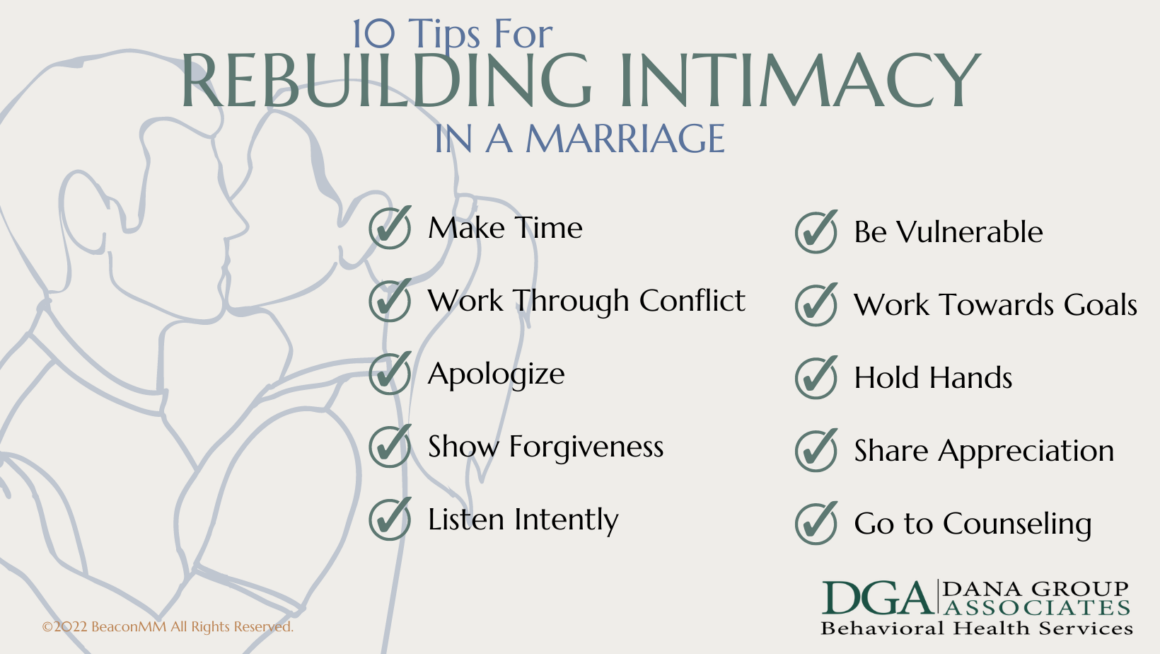
Prioritize Quality Time Together:
Schedule regular date nights, even if it's just an hour of uninterrupted conversation. Put away phones, turn off the TV, and truly focus on each other. Talk about your day, your dreams, your fears â€" anything that fosters genuine connection. Remember those little things you used to do? Rediscover them!
Practice Active Listening:
When she's talking, truly listen. Don't just wait for your turn to speak. Ask clarifying questions, show empathy, and reflect back what you've heard to ensure you understand her perspective. This demonstrates respect and makes her feel valued.
Express Appreciation and Affection:
Small gestures of affection go a long way. Tell her you appreciate her, compliment her, and show physical affection (hugs, kisses, holding hands) regularly. These actions reinforce your love and commitment.
Share Vulnerable Moments:
Openness and vulnerability are key to deep emotional intimacy. Share your feelings, fears, and insecurities with her. This creates trust and strengthens your bond. It takes courage, but it's incredibly rewarding.
Rebuilding Physical Intimacy
Physical intimacy isn't just about sex; it encompasses all forms of physical touch and affection. It's about feeling desired, wanted, and connected on a physical level. Rebuilding physical intimacy requires sensitivity, patience, and a willingness to work together.
Start with Non-Sexual Touch:
Begin by increasing non-sexual physical touch. Hold hands, cuddle on the couch, give massages, or simply sit close together. This helps rebuild physical comfort and connection before moving to more intimate acts.
Communicate Openly and Honestly:
Talk about your desires, needs, and concerns regarding physical intimacy. Be honest about what feels good and what doesn't. Open communication prevents misunderstandings and fosters mutual respect.
Be Patient and Understanding:
Rebuilding intimacy takes time. Don't expect things to magically change overnight. Be patient with each other, and celebrate small victories along the way. Focus on the process, not just the outcome.
Consider Professional Help:
If you're struggling to rebuild intimacy on your own, consider seeking professional help from a therapist or counselor specializing in couples therapy. They can provide guidance, support, and tools to help you navigate challenges and strengthen your relationship.
Making Long-Term Changes
Rebuilding intimacy isn't a one-time fix; it's an ongoing process that requires consistent effort. Here are some strategies for maintaining intimacy long-term:
- Schedule regular date nights: Make it a priority, just like any other important appointment.
- Practice gratitude: Regularly express appreciation for your partner and the relationship.
- Continue open communication: Make sure you're both comfortable sharing your feelings and needs.
- Seek professional help when needed: Don't hesitate to reach out for support if you're struggling.
- Prioritize self-care: Taking care of your physical and mental health is crucial for maintaining a healthy relationship.
Rebuilding intimacy is a journey, not a destination. It requires commitment, understanding, and a willingness to work together. But the rewards â€" a deeper, more fulfilling connection with your partner â€" are immeasurable.
Frequently Asked Questions
Q: How long does it take to rebuild intimacy?
A: There's no set timeframe. It depends on the underlying issues, the effort you both put in, and the support you have. Be patient and focus on the process.
Q: What if my partner isn't willing to work on it?
A: This is a difficult situation. You can try expressing your feelings and needs clearly and calmly. If they remain unwilling, you might need to consider seeking individual therapy or exploring the future of the relationship.
Q: What if sex is the main issue?
A: Often, sexual intimacy is linked to emotional intimacy. Address the emotional disconnect first, and the physical intimacy may follow. Open communication about sexual desires and concerns is crucial.
Q: Is couples therapy always necessary?
A: Not necessarily. Many couples successfully rebuild intimacy on their own. However, if you're struggling, professional guidance can be invaluable.
Q: What if we've tried everything and nothing seems to work?
A: It's important to honestly assess the relationship. Sometimes, despite best efforts, relationships don't recover. Seeking professional guidance can help you navigate this difficult decision.